
12 June 2026
Looking Beyond the Credit Score: Helping More Customers Achieve Homeownership
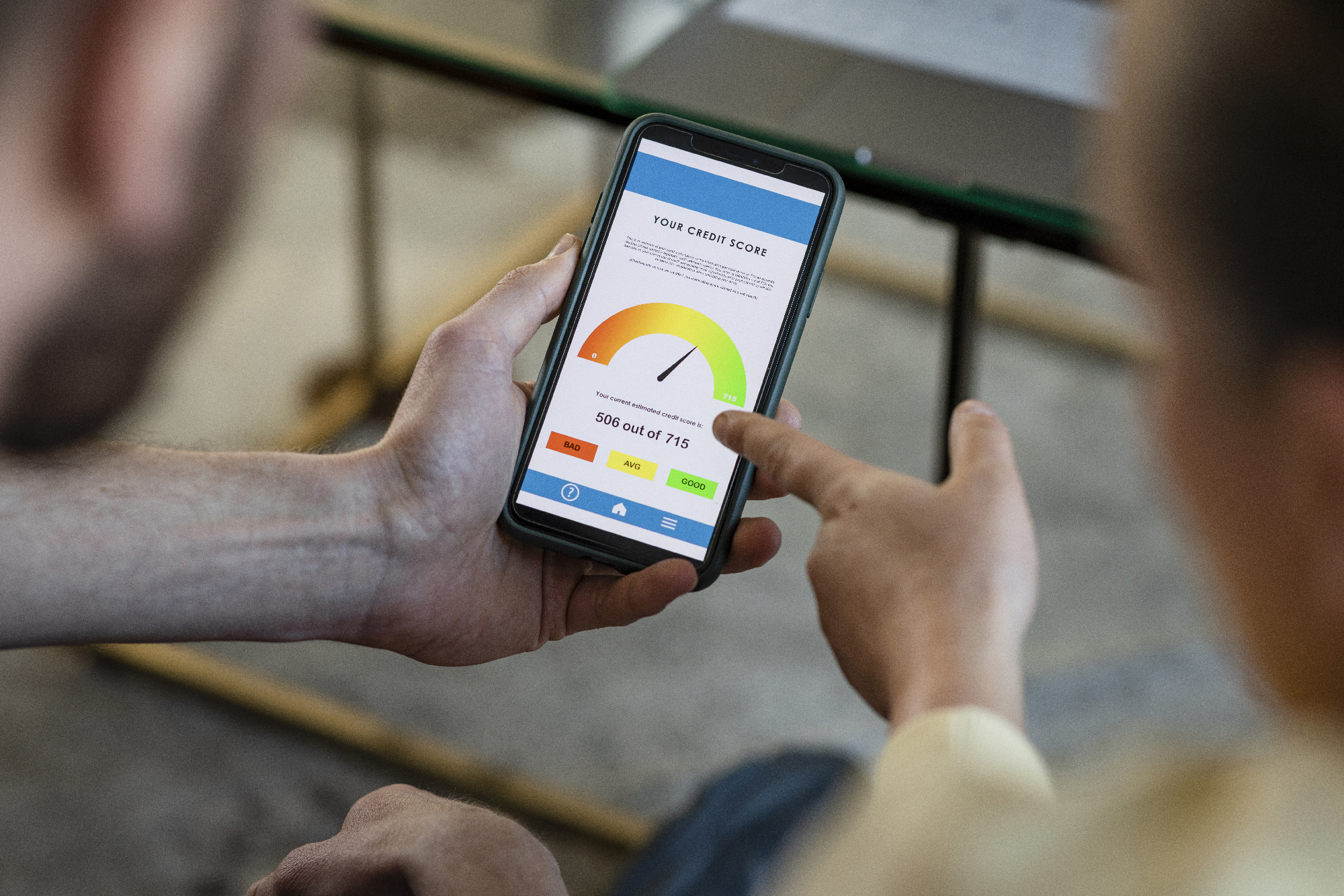
Economic uncertainty has reshaped today’s mortgage market. In recent years, households have faced
higher living costs, elevated interest rates and wider global pressures that have stretched budgets and
forced many to reassess their finances. Those pressures are reflected in the data, with around four in five
UK adults saying their cost of living increased compared with the previous month in April 2026 1.
Although inflation and interest rates have eased from recent highs, the effects of that period can still be
visible in borrowers’ credit files. For some, a temporary spell of financial difficulty may have left a negative
mark. For others, including people who are new to the UK, the issue may be a limited credit history rather
than adverse borrowing behaviour.
For brokers, that makes it increasingly important to understand where specialist lending can open up
options that might otherwise be missed. A complex credit profile does not automatically put
homeownership out of reach, but it may require a different route to the right mortgage solution.

A changing borrower landscape
Adverse credit is often associated with serious financial distress. In practice, the reality is usually more
nuanced.
Unexpected life events, rising household costs, relationship breakdowns, illness or periods of reduced
income can all affect someone’s finances, sometimes leading to missed payments, temporary arrears or
other adverse credit events. Equally, borrowers who have recently arrived in the UK may have a strong
financial track record but little or no UK credit history for lenders to assess.
Just as importantly, many customers who have experienced financial difficulty may since have regained
stability, with their current position looking very different from the one that led to an earlier credit issue.

Looking beyond a credit score
One of the most persistent misconceptions is that a credit score alone decides whether someone can get
a mortgage. In reality, lenders assess risk in different ways and place different levels of weight on different
parts of an applicant’s profile.
While some lenders rely more heavily on automated credit scoring, specialist lenders often take a broader
view of an applicant’s circumstances. That can be especially valuable when a credit file does not tell the
full story.
Rather than focusing only on a past adverse event, specialist lenders may also consider the context: why
the issue arose, when it happened, and how the customer has managed their finances since.
Technology is also playing a growing role in the application process. New tools can help lenders build a
fuller picture of a borrower’s financial position, while experienced underwriters provide the judgement needed to assess individual cases fairly. Together, that can support more informed decisions and help
ensure borrowers are assessed on their overall financial position rather than a single data point.

The role of specialist lending
As the market has evolved, so too has the range of options available to borrowers with complex credit
profiles. Specialist lenders have always been known for their flexible solutions, and now that more
lenders are adapting their lending criteria to allow for greater flexibility, some borrowers now have access
to a wider range of options, provided they meet the relevant affordability.
For some customers, that means a previous financial setback does not automatically close the door on
homeownership. For brokers, it creates an opportunity to identify solutions that may not be obvious
through more traditional lending routes alone.

Why broker knowledge matters
As the specialist market continues to evolve, broker education remains critical. Customers with complex
financial backgrounds can be uncertain about their options. Some assume they will be rejected outright,
while others may not understand why different lenders can reach different decisions on broadly similar
cases.
This is where brokers can add real value. By understanding the nuances of specialist lending criteria, they
can set realistic expectations, explain the options available and identify lenders whose appetite aligns
more closely with a borrower’s profile. Just as importantly, they can help customers understand what
steps may strengthen their position before applying and build confidence throughout the process.

A positive outlook
As customer profiles become more varied, lenders are developing solutions that better reflect
the complexity of modern financial lives. Whether a borrower has experienced a temporary credit
issue, has a limited credit history, or is still establishing themselves in the UK, the market may offer
more options than many people realise.
For brokers, a deeper understanding of the specialist market is not just a way to broaden product
knowledge. It is a way to widen opportunity for customers whose options may be stronger than
they assume.
1 https://www.ons.gov.uk/peoplepopulationandcommunity/wellbeing/bulletins
Helen Cawthra joined Kensington Mortgages in October 2025 as Head of National Accounts, bringing over 24 years’ experience in financial services. Helen has extensive expertise in intermediary relationships and strategic partnerships, having been a BDM at Lloyds Banking Group before moving into senior roles with Leeds Building Society, Accord Mortgages and Vida Homeloans. In her role at Kensington, she leads the national accounts strategy, working closely with our key partners to drive collaboration and growth across the intermediary market.
Share via...
'%3e%3crect width='40' height='40' rx='20' fill='%23155fb5'/%3e%3cpath d='M25.542 21.481c0-.716-.13-1.237-.391-1.562-.26-.358-.749-.537-1.465-.537-.879 0-1.497.26-1.855.781s-.537 1.253-.537 2.197v7.129c0 .163-.049.293-.146.391s-.228.146-.391.146h-3.711c-.13 0-.26-.049-.391-.146-.098-.098-.146-.228-.146-.391V16.305c0-.13.049-.244.146-.342.13-.13.26-.195.391-.195h3.613c.13 0 .228.033.293.098.098.065.163.163.195.293v.244c.032.065.049.179.049.342.911-.879 2.148-1.318 3.711-1.318 1.725 0 3.076.439 4.053 1.318s1.465 2.165 1.465 3.858v8.887c0 .163-.065.293-.195.391-.098.098-.212.146-.342.146h-3.809c-.13 0-.26-.049-.391-.146-.098-.098-.146-.228-.146-.391v-8.008zm-10.938-9.717a2.56 2.56 0 0 1-.732 1.807c-.488.488-1.091.732-1.807.732-.684 0-1.27-.244-1.758-.732a2.56 2.56 0 0 1-.732-1.807c0-.716.244-1.318.732-1.807s1.074-.732 1.758-.732c.716 0 1.318.244 1.807.732s.732 1.09.732 1.807zm-.098 4.541v13.184c0 .163-.065.293-.195.391-.098.098-.212.146-.342.146h-3.711c-.163 0-.293-.049-.391-.146s-.146-.228-.146-.391V16.305c0-.13.049-.244.146-.342.098-.13.228-.195.391-.195h3.711c.13 0 .244.065.342.195.13.098.195.212.195.342z' fill='%23fff'/%3e%3c/g%3e%3cdefs%3e%3cclipPath id='A'%3e%3crect width='40' height='40' rx='20' fill='%23fff'/%3e%3c/clipPath%3e%3c/defs%3e%3c/svg%3e)

'%3e%3crect width='40' height='40' rx='20' fill='%231e70e9'/%3e%3cpath d='M21.611 30.025h-3.857v-9.473h-3.223v-3.711h3.223v-2.734c0-1.562.439-2.767 1.318-3.613s2.051-1.269 3.516-1.269c1.172 0 2.132.049 2.881.146v3.272l-2.002.049c-.716 0-1.204.146-1.465.44s-.391.732-.391 1.318v2.393h3.711l-.488 3.711h-3.223v9.473z' fill='%23fff'/%3e%3c/g%3e%3cdefs%3e%3cclipPath id='A'%3e%3crect width='40' height='40' rx='20' fill='%23fff'/%3e%3c/clipPath%3e%3c/defs%3e%3c/svg%3e)